Why Your Child Should See a Pediatric Dentist, Not Just Any Dentist
A general dentist can fill a cavity. A pediatric dentist is trained specifically for the patient sitting in the chair.
September 10, 2026 · 3 min read
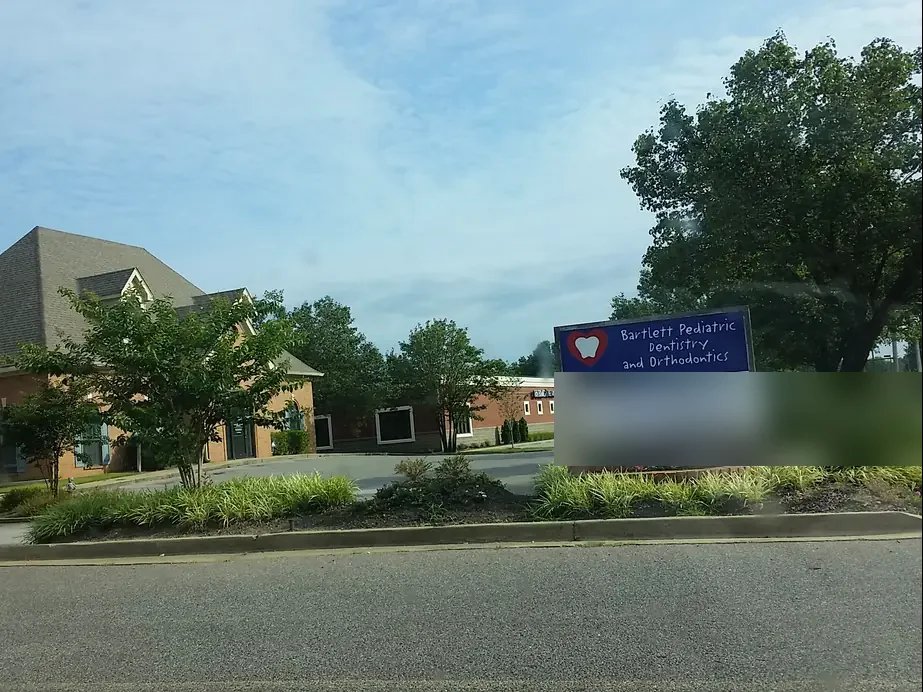
A dentist is a dentist, right? Not quite. Pediatric dentistry is its own specialty, with its own residency and its own board certification, and the difference shows up the moment a nervous six-year-old sits down in the chair.
The training is different, on purpose
After dental school, a general dentist can start practicing right away. A pediatric dentist goes further, completing an additional two years of residency focused entirely on treating infants, children, teenagers, and patients with special needs. Our own Dr. Tim Bakelaar completed that residency at UTHSC Memphis, on top of a year of advanced general dentistry training, before earning Board Certification in Pediatric Dentistry and becoming a Diplomate of the American Board of Pediatric Dentistry. That extra training covers child behavior and communication as much as it covers teeth, because getting a scared four-year-old through an exam takes a different skill set than treating an adult who already understands why they're there.
What that training changes in the room
- How a cavity gets explained to a seven-year-old, and how much detail to give a teenager who wants the real answer
- How to manage anxiety without sedation for most routine visits, and how to recognize when sedation genuinely is the right call
- How a growing mouth behaves differently than an adult one, since baby teeth, permanent teeth, and jaw growth are all happening at once
- How to treat a child with a developmental or physical difference that makes a standard dental visit harder
It also means we're set up for cases a general dental office would have to refer out. We offer both oral and IV sedation in-office, and Dr. Bakelaar holds operating room privileges at LeBonheur East Surgery Center for situations that need a hospital setting. Our team has treated patients through LeBonheur Children's Medical Center, St. Jude Children's Hospital, the Arlington Developmental Center, and Crittenden Memorial Hospital, which is a different kind of experience than a general practice sees in a typical week.
It's not just about emergencies
Most visits are routine, and that's exactly where pediatric-specific training earns its keep. A dentist who sees kids all day knows how to keep a first cleaning calm instead of tense, how to talk a nervous patient through an x-ray, and how to spot the early signs of a bite problem before it becomes an orthodontic case. We also have orthodontists on staff, so if braces or Invisalign become part of the picture later, that care can stay in the same building your child already knows, with a team they already trust.
Care that doesn't stop at a certain age
One more thing that sets a pediatric practice apart: we see children from the moment their first tooth comes in through age 21, and for patients with special needs, there's no age cutoff at all. We continue seeing them into adulthood, because finding a new dentist who understands their history and their needs isn't something a family should have to do just because a birthday passed.
If your family has been splitting time between a general dentist and hoping for the best, it's worth the switch. We're locally and family owned, we've been in Bartlett since 1979, and both our Bartlett and Atoka offices handle insurance paperwork on your behalf so that part isn't one more thing on your plate. Call (901) 382-1564 to get your child on the schedule with a team trained specifically for them.
What that specialty looks like day to day
None of this shows up as anything dramatic in the waiting room. It shows up as free WiFi so a bored sibling has something to do, as a front desk that speaks both English and Spanish, and as a staff that keeps on-call and emergency appointments available specifically because kids don't get hurt on a convenient schedule. It shows up in a team that's been treating Memphis-area families since 1979, which means the pediatric-specific training isn't theoretical here, it's been tested against real families for over 45 years.
What if your child already needs more than a checkup
If your child already has a cavity, a chipped tooth, or crowding that concerns you, a pediatric-specific practice means that care, sedation if it's genuinely needed, an in-house orthodontist if braces come up, and hospital-level backup for the rare case that requires it, all live under one roof. You're not being handed off between offices at the moment your child needs the most consistency.
Bartlett Pediatric Dentistry and Orthodontics, (901) 382-1564
Call (901) 382-1564More articles
When to Start Planning Visits to Your Local Dentist
The right age to book that first appointment is earlier than most parents expect, and the visits that follow matter just as much.
Surviving Your Child's First Dental Visit: A Parent's Guide
The night before matters almost as much as the appointment itself, and most of the work happens before you walk through the door.